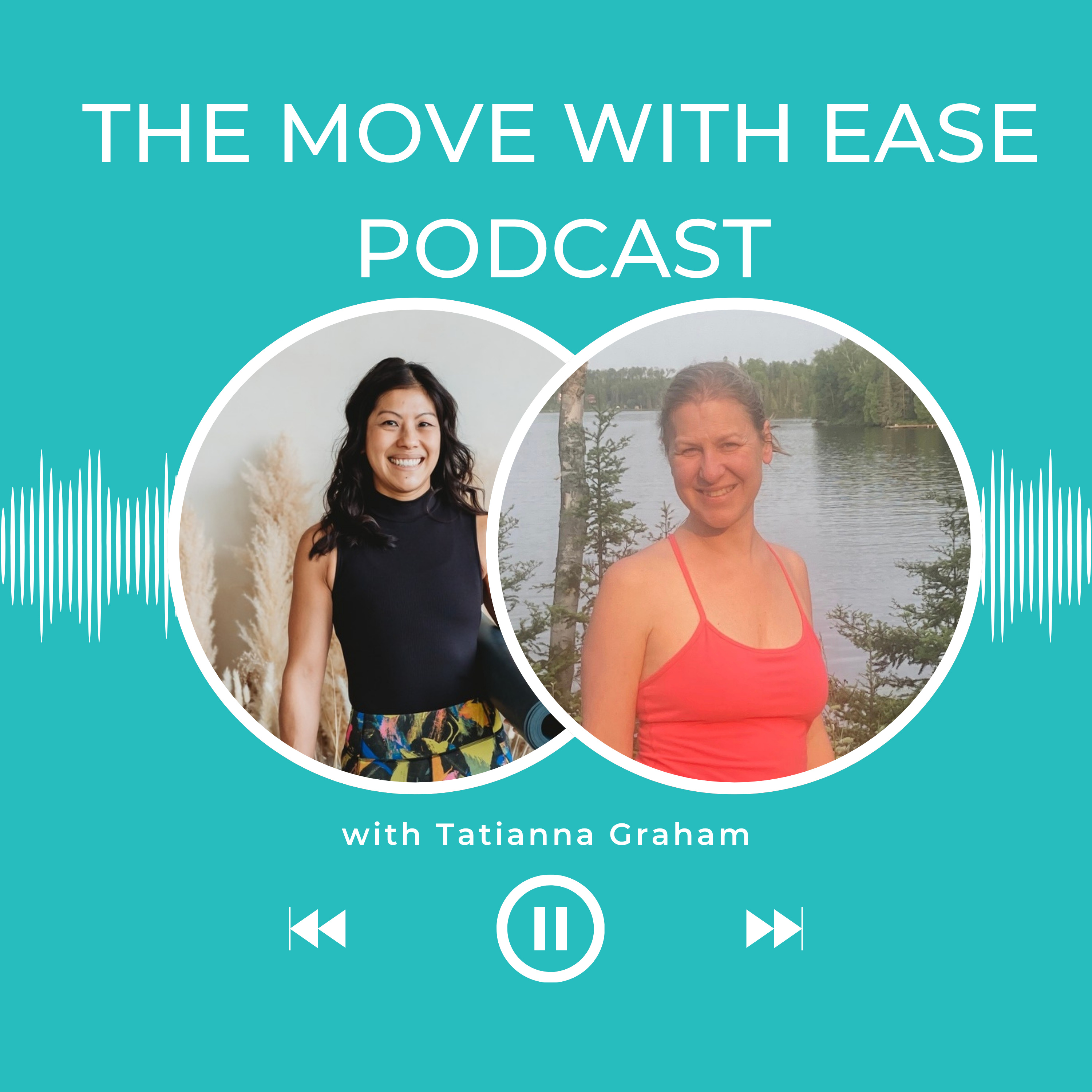



Life offers no rehearsals, and sometimes the transitions it demands are as unpredictable as they are profound. Such was the case for Natasha, a teacher and yoga enthusiast who faced the formidable challenge of brain cancer at 47. What unfolded was a remarkable journey of resilience, as Natasha redefined not only the boundaries of her physical capabilities but also the very framework of her identity.
Navigating a Life-Altering Diagnosis
Natasha's life was a tapestry threaded with passion for teaching, a deep commitment to yoga, and a zest for living fully. But during the pandemic, small shifts in her health became too prominent to ignore. Natasha began experiencing strange episodes she called "brain blips," initially brushing them off as stress-induced anomalies. However, these signs carried the weight of deeper implications.
Recalling her first MRI visit, Natasha said,
I left my house and I said to my husband, what a waste of my time and money to be going for this MRI so that they can tell me you are under stress because it's COVID and you're teaching online.
But the results confounded her expectations. “It wasn’t until I got to the emergency that the nurse started asking me questions, and then all of a sudden I thought, oh, my goodness, is there something wrong with my brain?” Her discovery of a brain mass swiftly renegotiated the terms of her existence, as she faced surgery and subsequent therapies with determination.
Amidst this upheaval, Natasha demonstrated exceptional intuition, a skill she had honed through her mindfulness practices. Her story highlights the powerful intersection of awareness and medicine, affirming that listening deeply to one’s body can markedly influence one’s healing journey.
Reconstructing Identity Through Movement
Post-surgery, Natasha found herself grappling with the essence of who she had been and who she was becoming. She had to navigate her familiar world of yoga and running under the novel constraints imposed by her health. It was a time that demanded unparalleled patience as she actively redefined her limits and aspirations.
Despite initial setbacks, the support of personal trainers and yoga teachers was pivotal. They provided her with a safe space to gradually rebuild her strength. Natasha shared her triumph in a touching moment, explaining how she had to bypass certain yoga poses initially:
I was one week out of the hospital when I tried to do child's pose here because my stomach was cramping so bad that I just wanted to curl up and make it feel better.
Her recounting is a testament to the small victories that mark the path back to wellness.
Fascinatingly, Natasha decided to rename her brain mass "Herbie," a decision that added a touch of humor to her journey and served to boss the psychological burden of her condition. The marathon of recovery demanded not just physical endurance but emotional resilience.
Harnessing Community and Inner Fortitude
As Natasha navigated this period of transformation, the importance of community became increasingly evident. Leaning on the strength and support of family, friends, and a kind community, she found the grounding that was vital to her emotional and physical recovery. "From the moment we found out about the diagnosis," Natasha recalls, "my husband and I divided and conquered, I guess, in telling." This collaborative spirit underscored the healing power of shared human connection.
Natasha's journey back to running was emblematic of broader themes of loss, adaptation, and ultimately triumph. After being advised against high-impact activities, Natasha felt driven to reclaim a part of her identity that cancer had threatened to steal. "When I was told that I couldn't do any high impact activities, I said, well, that doesn't make sense. I'm only 47. I'm not 90,” she asserted.
She began with “baby steps”, relearning her body's capabilities and boundaries through yoga and methodical incremental running attempts. Natasha’s narrative affirms that reconnection to self can break the confines imposed externally or internally. Whether it's rediscovering running or engaging with yoga, she illustrates how resilience is often about rediscovering capabilities rather than letting limitations define your journey.
Redefining Strength and Progress
Reflection on the passage from illness to recovery reveals a metamorphosis that spans more than just bodily healing. Each milestone, whether it be a yoga pose once thought lost or an uninterrupted jog sans incontinence, contributed to a picture of holistic recovery. "I would tell them that the power of breath and mindfulness is phenomenal," Natasha affirms, highlighting her newfound understanding of integrated wellness.
Every increment in her progress was accompanied by a deeper trust in her body's remarkable capacity to heal. It is perhaps this intimate relationship between the physical and mental realms that best denotes true strength. Natasha’s recovery stands as a potent reminder that things we are passionate about can serve as anchors for healing, illustrating how deep engagement with oneself is as intrinsically valuable as any medical intervention.
Natasha's story is a beacon, lighting a path of possibility for anyone striving to redefine their own narrative post-crisis. For those interested in delving further into Natasha's insightful journey, listening to the full episode promises inspiration and encouragement.